
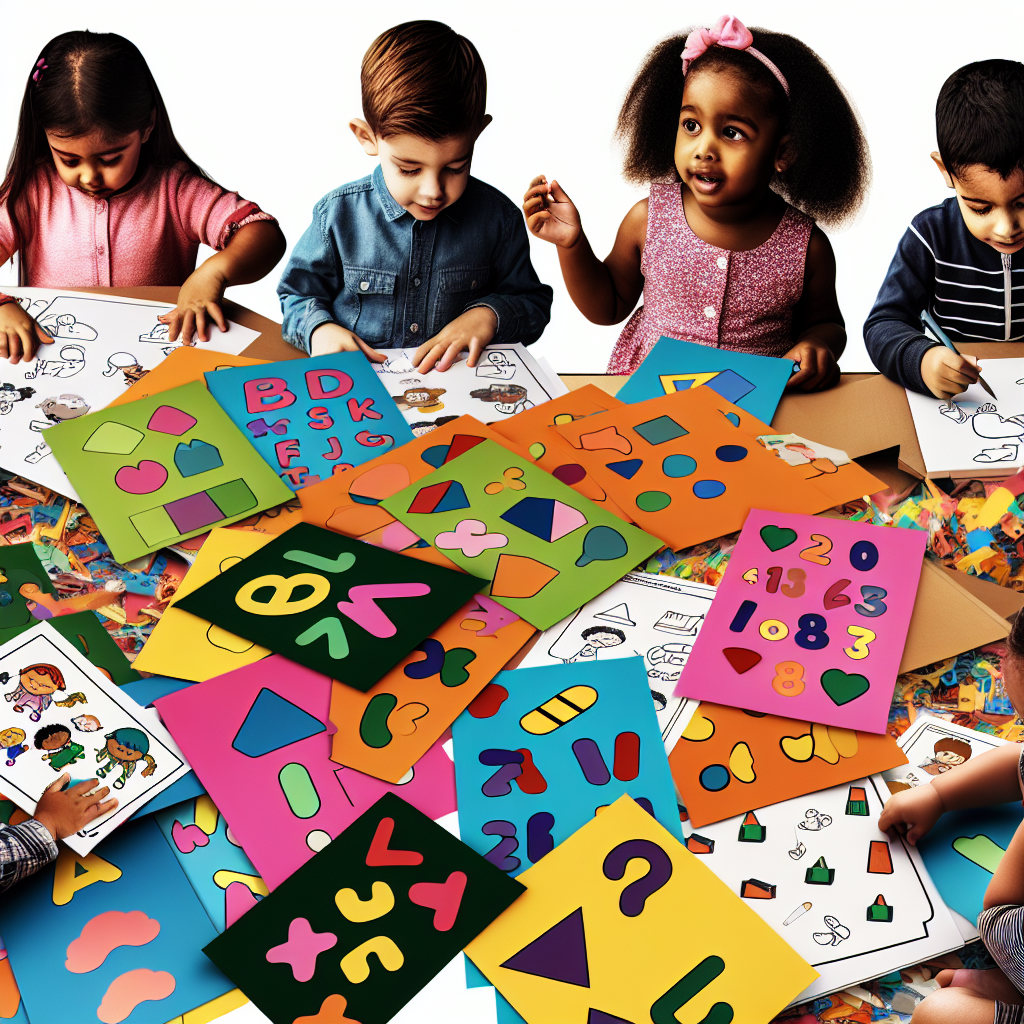
In the vibrant world of early childhood education, engaging preschoolers in learning activities is crucial for their development. One highly effective tool that parents and teachers can utilize are educational worksheets, specifically designed for preschoolers. These worksheets not only make learning fun but also provide a structured way for young children to grasp fundamental concepts such as letters, numbers, and shapes. In this article, we will explore the significance of educational worksheets for preschool learning, delve into various types of worksheets available, and offer practical tips on how to effectively use them at home or in the classroom. Whether you're a parent looking to supplement your child's education or a teacher seeking fresh resources, our guide will help you discover the best educational worksheets for preschool success. Plus, don’t forget to check out the Kiddy Store for a wide range of these invaluable learning resources!
- 1. **The Importance of Educational Worksheets for Preschool Learning**
- 2. **Exploring Different Types of Educational Worksheets for Preschoolers**
1. **The Importance of Educational Worksheets for Preschool Learning**
Educational worksheets for preschool are an essential tool in fostering early childhood development. These engaging resources provide a structured way for young learners to explore fundamental concepts such as letters, numbers, and shapes. By incorporating educational worksheets into daily activities, parents and teachers can create a fun and interactive learning environment that stimulates curiosity and promotes cognitive growth.
Worksheets not only reinforce skills learned in the classroom but also encourage independent learning at home. When children engage with educational worksheets, they develop fine motor skills through writing and drawing, enhance their problem-solving abilities, and build confidence as they complete tasks. Additionally, these worksheets can help children grasp essential concepts in a visual and hands-on manner, making learning more effective and enjoyable.
Moreover, educational worksheets for preschool serve as a bridge between play and structured learning. They allow children to practice essential skills while still having fun, which is crucial at this stage of development. By utilizing these resources, parents and teachers can ensure that preschoolers are well-prepared for future academic challenges while nurturing a lifelong love for learning.
Educational worksheets for preschoolers are essential tools that help young children develop foundational skills in a fun and engaging way. These worksheets are not only beneficial for learning letters, numbers, and shapes but also for enhancing fine motor skills and promoting cognitive development. By incorporating educational worksheets into your child's daily routine, you can create a structured and enjoyable learning environment that encourages curiosity and exploration.
### Types of Educational Worksheets for Preschoolers
1. **Letter Recognition Worksheets**
These worksheets help children identify and learn the alphabet. Activities may include tracing letters, matching uppercase and lowercase letters, and finding letters in pictures.
2. **Number Worksheets**
Number recognition and counting are crucial skills for preschoolers. Worksheets often feature counting games, number tracing, and simple addition or subtraction exercises tailored for young learners.
3. **Shape Worksheets**
Shape recognition worksheets introduce children to basic geometric shapes. Activities may include coloring shapes, cutting out shapes, or matching shapes to real-life objects.
4. **Coloring Worksheets**
Coloring worksheets not only engage children's creativity but also help with color recognition. They can include a variety of themes, such as animals, nature, or holiday-related images.
5. **Tracing Worksheets**
Tracing worksheets are excellent for developing fine motor skills. Children can practice tracing letters, numbers, and shapes, which prepares them for writing.
6. **Pattern Worksheets**
These worksheets help children recognize and create patterns, an essential skill in math and logic. Activities might involve completing patterns with colors, shapes, or objects.
7. **Word Search and Find**
Word searches and find-the-words worksheets introduce preschoolers to vocabulary. These activities can be tailored to include words related to themes like animals, seasons, or family.
8. **Story Sequencing Worksheets**
Story sequencing worksheets encourage comprehension and narrative skills. Children can cut and paste images in the correct order or draw their own sequences based on a story.
### Tips for Using Educational Worksheets at Home or in Class
– **Make It Interactive**: Encourage children to engage with the worksheets by asking questions and guiding them through the activities. This interaction enhances learning.
– **Set a Routine**: Establish a specific time each day for worksheet activities to help children anticipate and look forward to learning.
– **Use Rewards**: Celebrate completed worksheets with small rewards or praises to motivate children and make learning enjoyable.
– **Adapt to Skill Levels**: Choose worksheets that match your child’s skill level. Adjust difficulty as they progress to keep them challenged without feeling overwhelmed.
– **Incorporate Play**: Combine worksheet activities with hands-on games or crafts that reinforce the concepts learned.
In conclusion, educational worksheets for preschoolers are invaluable resources for parents and teachers alike. They not only facilitate learning but also make the process enjoyable for young children. To explore a wide range of educational worksheets for preschool, visit the Kiddy Store shop today! With the right tools, you can spark a love for learning in your child that lasts a lifetime.
2. **Exploring Different Types of Educational Worksheets for Preschoolers**
When it comes to educational worksheets for preschoolers, variety is key to keeping young minds engaged and excited about learning. Different types of worksheets cater to various skills and developmental milestones, ensuring that children receive a well-rounded foundation in early education. Here’s a look at several popular types of educational worksheets for preschool that you can incorporate into your teaching or home learning activities:
– **Letter Recognition Worksheets**: These worksheets focus on helping children identify and recognize letters of the alphabet. Activities may include tracing letters, matching uppercase and lowercase letters, and filling in missing letters in words. Such exercises are crucial for building literacy skills.
– **Number Worksheets**: Designed to teach counting and basic math concepts, number worksheets often include activities like counting objects, tracing numbers, and simple addition and subtraction problems. These worksheets help preschoolers develop their numerical understanding in a fun and interactive way.
– **Shape and Color Worksheets**: Recognizing shapes and colors is essential for preschoolers. Worksheets in this category might include coloring activities, shape matching games, and sorting exercises that help kids learn to identify and categorize different shapes and colors.
– **Fine Motor Skills Worksheets**: These worksheets are designed to enhance dexterity and coordination. Activities may involve cutting, pasting, or drawing along dotted lines. Developing fine motor skills is critical for tasks like writing and using scissors, setting the stage for future academic success.
– **Themed Worksheets**: These worksheets often revolve around specific themes, such as seasons, animals, or holidays. They can include a mix of activities—like coloring, matching, and writing—that engage children’s interests while reinforcing various educational concepts.
– **Story Sequencing Worksheets**: Helping children understand the order of events is vital for comprehension skills. Story sequencing worksheets encourage preschoolers to arrange pictures or sentences in the correct order, fostering narrative skills and critical thinking.
– **Social Skills Worksheets**: These worksheets focus on teaching children about sharing, empathy, and cooperation. Activities may include role-playing scenarios or drawing their feelings, helping preschoolers navigate social interactions effectively.
Using a variety of educational worksheets for preschool not only makes learning enjoyable but also caters to different learning styles and preferences. By incorporating this diversity into your teaching or home education strategies, you can create a rich and engaging learning environment for your little ones.




0 Comments